Transport ERP Netherlands: Why Microsoft Dynamics 365 Is the Smart Choice for Logistics

It is hard for businesses to operate in regions where delivery schedules are tight, customer needs and demands are changing from time to time, and trade regulations are hard to keep up with. An efficient and smart ERP system solves these challenges; one such system is Microsoft Dynamics 365 ERP. The traditional and legacy ERP systems cannot keep up with these requirements. Hence, the logistics companies continuously struggle with data misplacement and duplication, inefficient workflows that cause delays, etc., and poor visibility of business operations. This is where Microsoft Dynamics 365 sets itself apart due to its unified system, supply chain management tools, and reliable integration features. Businesses using Dynamics 365 for transport and logistics will have an edge over competitors because of these features. From streamlining supplier logistics and managing warehouses to improving last-mile delivery, Dynamics 365 connects every process through a single and powerful system. Let’s find out if it is the right choice for transport and logistics companies in the Netherlands by highlighting its benefits and features, explaining how it can help build stronger customer relationships. Dynamics 365 for Transport and Logistics: The Backbone of Modern Supply Chains Today logistics is not only about moving something. Having complete visibility of operations, real-time tracking, clear and instant communication, and rapid delivery on time without errors, everything falls under logistics. These aspects are challenging to cover without an efficient system. So, Microsoft Dynamics Logistics Solutions are exactly what a business needs. It addresses these challenges head-on, unlike generic ERP systems. Dynamics 365 business solutions are designed to optimize your processes, giving you central control. All aspects of businesses are connected into a connected ecosystem. This implies that you don’t need to be concerned about disconnected systems, inadequate visibility into operations and overall progress, or misinformation. It does all of that by leveraging features like cloud technology, automation, and AI so that businesses can modernize their logistics to operate with agility. Is Microsoft Dynamics logistics solution right for your business? The solution is scalable and grows with the company, making it the right choice for any business. Microsoft Dynamics Logistics Solutions Microsoft Dynamics Logistics Solutions connect every step of the process, which is its most powerful advantage. It not only concentrates on logistics but also integrates all the sales, financial, and warehouse management systems. This way, it prevents delays, errors, and inefficiencies. With Microsoft Dynamics logistics solutions, every stage becomes connected. Procurement and Supplier Logistics can easily manage relations with vendors, track orders, and make sure the materials are delivered on time. Predictive analytics of Dynamics 365 prevents delays from happening, keeping your relations good and customers happy. Real-time visibility into your inventory prevents stock outages or overstocking, reducing waste and speeding up order processing. While features like barcode scanning and automated replenishment ensure efficiency. Easily and seamlessly integrate this Microsoft Dynamics 365 for transport and logistics solutions with your CRM systems and get complete access to customer orders, their choices, and communicate with them directly and easily. With its advanced scheduling tools, you can ensure a faster and effective delivery system because your routes are optimized with AI to save cost and improve timely delivery without errors. Automated billing, tax compliance, and real-time financial dashboards are the key requirements when making important business decisions. Dynamics 365 business solutions give you access to everything you need. Having everything connected and readily available at your fingertips makes companies agile, customer-focused focused and enables them to handle customer demands. Dynamics 365 Supply Chain Management Netherlands: Tailored to Local Challenges Some ERPs face difficulty or extensive customization to adjust to the local market. But that is not the case with Dynamics Transport ERP Netherlands because it comes with local support. From compliance to local requirements and sustainability regulations, Microsoft Dynamics 365 handles everything easily. Dynamics 365 Supply Chain Management addresses these local challenges by providing import and export control, tracking energy use, and compliance with local rules. It offers automated customs documentation management, compliance with EU trade rules, and transparency across international shipments. To track sustainability goals, it monitors your energy use and emissions. Key Features of Microsoft Dynamics 365 for Transport ERP Netherlands 1. Financial Oversight It helps you get a 360-degree view with which you can automate processes to comply with regulatory requirements automatically. 2. Supply Chain One of the key features is streamlining the supply chain from supplier to warehouse and its optimization. With everything optimized, there will be minimal risk of disruptions. 3. Customer Experiences Dynamics 365 for transport and logistics solutions can also be used to improve customer experience by offering them real-time tracking, reliable service, and answering queries. 4. Smart Management It helps businesses manage everything smartly by providing automation for trade documentation, clearing customs, and keeping up with compliance requirements. 5. Data-Driven Decisions With Microsoft Dynamics 365, businesses can surely make smarter decisions by leveraging AI features and analytics. By using these features, businesses can then smartly plan routes, forecast demand, and efficiently stock or order warehouse items. 6. Scalability with Security It is scalable and secure because it uses cloud infrastructure and has built-in security features, including role-based security, data encryption, and more. Why Dynamics 365 Is the Smart ERP Choice for Dutch Logistics Apart from the fact that it is intelligent and industry-focused, the combination of its flexibility and intelligence makes Dynamics 365 stand out from other ERP solutions. These features are more than enough for the Dutch companies to opt for Dynamics 365. However, it is important to partner with a sustainable and reliable partner. Here are some facts that make Dynamics 365 the right choice: Conclusion The future of Dutch logistics runs on Dynamics 365, and this is why companies need to start adopting it. To strike a balance between customer relations and compliance with the requirements of the competition, one must have a complete ERP system. Where old systems cannot keep up, Dynamics 365 is the one that stands out. Apart from it being a modern, flexible, and powerful ERP
How Dutch SMEs Unlock Financial Control with Microsoft Dynamics 365 Business Central
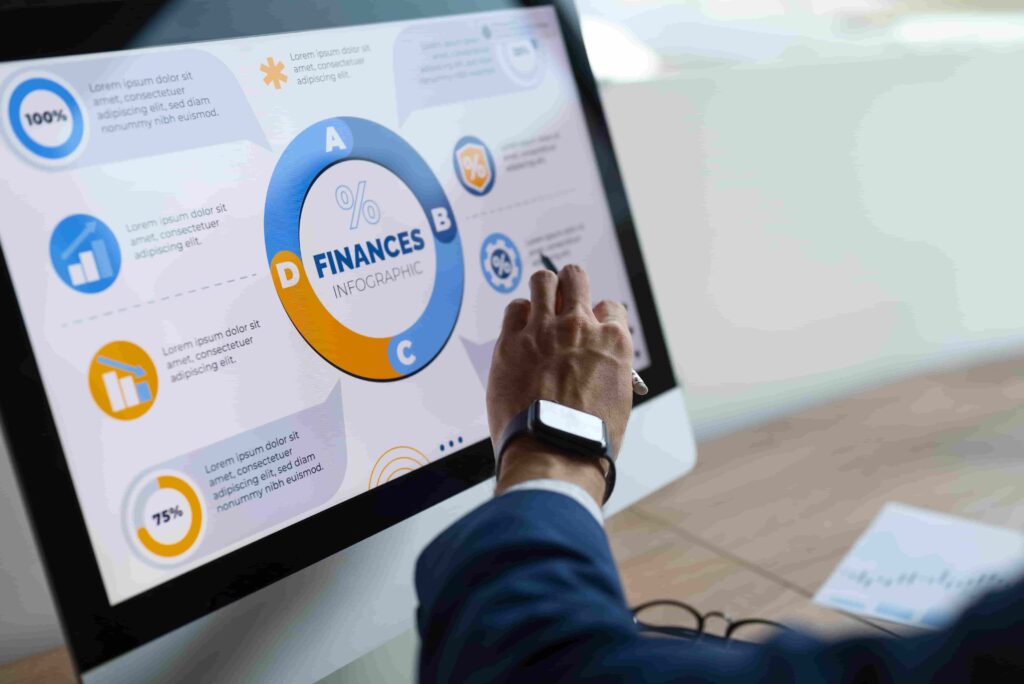
Financial visibility and control are a persistent challenge for many small and medium-sized businesses in the Netherlands. In such an economy that changes rapidly, decision-making has to be quick and accurate. So, having real-time insight into a business’s financial data is not a luxury anymore; it becomes a necessity. This is why many businesses opt for solutions that can provide what they need. Microsoft Dynamics 365 Business Central is a comprehensive solution that sets itself apart from others. Business Central ERP for Dutch companies stands out because of its ability to easily streamline operations, improve reporting accuracy, and centralize business processes. Hence, making it much more than just accounting software. It provides Dutch SMEs with the necessary tools to assume full control, eliminating the need for hiring an IT team. For Dutch SMEs, ERP software has become a necessity, and in this blog, we will see how Dynamics 365 Business Central is the best choice to solve this problem. Moreover, this blog will explain how Dynamics 365 Business Central is able to provide financial clarity and what problems it solves when it comes to localization. Smarter Financial Decisions with Real-Time Insights Moving Beyond Traditional Accounting Traditional accounting systems employ outdated methods such as spreadsheet work and manual data entry for reconciliations, among others. This not only leaves your finance team with outdated data but also takes a lot of time and effort. Moreover, there is still the factor of human error, delays, and a lack of instant decision-making power. These downsides make it impossible for businesses to have a clear picture of complete and updated financial health. This is where Business Central outperforms everything else by providing a single source for all financial data. Forecasting through Real-Time Dashboards What makes Business Central ERP for Dutch companies different from other software or platforms is that it provides real-time financial data. In addition to the real-time data, it also provides intelligent tools for financial forecasting. Without waiting for end-of-month reports, business owners can see cash flow, monitor KPIs, set up and manage budgets, etc. Moreover, it enables business owners and managers to set up alerts to notify them about cost increases or changes in trends rather than their forecasting. This feature allows swift decision-making with real-time data, revamping your business strategy. Simplified Compliance with Dutch Regulations Businesses operating in the Dutch region have zero flexibility and negotiability when it comes to compliance with business regulations. Microsoft ERP solutions in the Netherlands make it easier for businesses to follow the rules by including tools to handle Dutch tax needs, like automatic VAT calculations, Intrastat reporting, and help with electronic invoicing. These localized features ensure SMEs stay compliant without the need for additional third-party software or manual workarounds. Streamlining Banking and Payments Integrating your business software with local banking systems makes management easier and enhances financial control. Integrating your ERP software with local banking systems means smoother and easier financial control. From automating bank reconciliations to direct payments and tracking your cash in real-time, Dynamics offers you all these features. As a result, budget and operations management get easier, delays are prevented, and manual admin work is reduced, ensuring healthy cash flow operations. Localization and Challenges Faced by Dutch SMEs Decentralized Systems and Poor Resources Many small and medium-sized enterprises in the Dutch region operate on outdated and decentralized systems and limited resources. These downsides cause data inconsistency and duplication. Most SMEs lack an IT department or a dedicated team with proper budgets to maintain complex business solutions. Specifically built for Dutch companies, Business Central ERP offers all-in-one solutions with a neat cloud-based approach. Thus, it reduces the need to work on multiple software and third-party tools. As a result, business operations are simplified for better control and visibility. Navigating Dutch and EU Regulatory Complexity Running a business in the Netherlands means mandatory compliance to regulations. These include but are not limited to GDPR compliance, VAT laws, and cross-border trade compliance. Businesses will fall short when trying to manually process compliance management. Besides, the level of accuracy and audit readiness will still be missing from the picture. So, a complete and easy solution is Business Central’s compliance features. They aren’t just updated regularly but also help avoid fines, build trust with stakeholders, and prevent businesses from financial instability, legal action, and even closure. Managing Cash Flow and Payment Terms Cash flow management and completing payments is one of the biggest challenges for SMEs globally. But ongoing Dutch regulations have made it somewhat more difficult for SMEs in the Netherlands. Delayed payments and strains on financial operations prevent growth. Therefore, Business Central’s real-time cash flow analysis, automated collections tracking, and customer credit limit monitoring are helpful systems. They provide you with the controls you need to reduce cash flow disturbance and shortage. Reducing Manual Workload and Error Rates Manually completing processes like data updates and bank reconciliation will not only slow down your operations but also increase the chances of human error. While these errors may not seem significant, they can result in disastrous outcomes for small and medium-sized enterprises (SMEs). For example, incorrect financial reports, missed tax filings, or dissatisfied customers are major causes of business downfall. To prevent it from happening to your business, automate routine tasks, from invoice generation to expense tracking. Consequently, you will save employee time and boost accuracy. Grow with Confidence: Business Central ERP for Dutch Companies Scalability-Focused ERP Business Central is built for scalability which is one of the main reasons why businesses in the Netherlands are choosing it over other ERP systems. Business Central scales according to the business without needing major rebuilds or replacement. Seamless Integration with Microsoft Tools Businesses that are already using Microsoft Business Central ERP can take advantage by integrating it with other Microsoft applications like Teams, Power BI, and Power Automate etc., to improve collaboration. As a result, your processes will become more aligned, smoother, and faster, providing insights into all aspects of financial performance without the need to switch between
Growth Unlocked: How Dutch Businesses Can Scale with Dynamics 365 Power Platform

There is increasing competition, pressure to follow regulation updates, and an improvement in operational efficiency. These businesses have to choose a powerful and dependable CRM. By digitizing, businesses can unveil more opportunities and make business management easier. This is why organizations are turning to Microsoft Dynamics 365 and Power Platform. This combination helps unlock the growth opportunities. In this blog, we are going to explain how and why Dynamics 365 and Microsoft 365 Power Platform can help your company with sustainable growth. What Is the M365 Power Platform? Before diving into the specifics of how the Dynamics 365 combination with the Power Platform is a game changer, we should understand what it is. The M365 Power Platform is a combination of applications built for Dynamics 365. It includes applications like Power BI for data visualization, Power Virtual Agents for creating intelligent chatbots, and Power Apps to create custom applications rapidly. When implemented and used the right way, it can enable businesses to create smart automation solutions with low code to get real-time market and business insights. Moreover, it is easy to integrate with Dynamics 365, Microsoft 365, and other Microsoft platform tools. Thus, bridging the gap between disconnected systems becomes streamlined. How Dynamics 365 Complements Power Platform Dynamics 365 houses the tools that the Power Platform provides, meaning it is the core of your business operations. The Power Platform can enhance your transactional data to make better the use of automation is integrated within Dynamics 365. This means it is an intelligent and capable system that can grow with increasing business needs, driving continuous strategic value. What’s the Difference Between Power Platform & Dynamics 365? When combined, these two platforms present smart capabilities like customization and automation. Combining these two platforms yields more powerful software than using them separately. Clarifying the Two Platforms Microsoft 365 Power Platform is a suite of tools that includes Power Apps, Power Automate, Power BI, and Power Virtual Agents. These are used for creating custom applications, automating workflows, visualizing data, and creating & deploying smart chatbots, respectively. It is used inside the Microsoft ecosystem and can interact with other Microsoft applications as well as third-party systems. This product is not specifically tied to ERP functionality. On the other hand, Microsoft Dynamics 365 is a cloud-based business application suite. It is designed to streamline operations, enhance customer engagement, and improve business ROI. Dynamics 365 is more than just an Enterprise Resource Planning (ERP); it also combines Customer Relationship Management (CRM) functionalities. This unified platform allows for the management of various business aspects under one roof. Standalone vs. Integrated Value When the Dynamics Power Platform is used as a standalone application, it can empower business users. Like helping them create apps, workflows, or chatbots with low coding experience. On the other hand, when Power Platform is integrated with Dynamics 365, it offers its true value and improves the functionality of Dynamics 365. So, businesses can leverage the power platform in different aspects of business. Complementary Yet Distinct Both platforms have the same underlying technology, but their roles are different. Dynamics Power Platform helps with rapid prototyping. Meanwhile, Dynamics 365 boosts ERP processes and offers CRM capabilities as well. A combination of these two can be used to enhance critical operations, deploy automations, and ensure real-time visibility. In a market where businesses value expensive fast innovation, like the Dutch market, leveraging both tools together will improve business growth. How Power Platform Helps Dutch Businesses Automate & Innovate Standardization and Efficiency Whether a large or small organization, repetitive tasks are a part of daily operations. From approvals to data entry, manual processes are slow, cause delays, and are error-prone. With the Dynamics 365 Power Platform, these tasks become invisible, speedy, and free of errors. Entire processes from start to finish can be done without any human intervention. Thus, businesses would get consistency and free resources from manual work. Empowerment in Every Department With Power Apps, anyone can use the tools to create the solutions they need, from inventory picking to incident logging or customer follow-ups. The apps are low-code, so they need coding experience; moreover, they can run on mobile devices as well. Using these apps, you can bridge the gap between standard systems and business-specific ones. Turning Data Into Insight Power BI helps leverage the data by using it effectively to give insights that you cannot see otherwise. It can also be used to create real-time dashboards. With this, you can easily monitor sales, logistics, cost breakdown, and much more, only through 1 dashboard. Power BI focuses on unlocking visibility, which makes decision-making easy by harnessing the data to act fast and smart. Automating Customer & Employee Engagement From customer support inquiries to onboarding new teams, human interaction can also be automated with Power Virtual Agents. Create smart chatbots that perform rapid actions, enabling organizations to offer round-the-clock assistance. As for Dutch businesses, they can deploy multilingual chatbots to answer any questions or inquiries. Reduce the burden on your support team, get them free from manual labor, and enhance customer experience. Fostering Innovation Culture When your employees can create solutions, whether it is building an app, automating a workflow, or creating customer chatbots, innovation becomes the culture. Power Platform Dynamics 365 becomes both a toolkit and a platform for innovation. Businesses can then improve processes and respond to changing market and customer demands. Is Dynamics 365 Suitable for Dutch SMBs? Dynamics is perfectly suitable for Dutch SMBs; the Dynamics 365 Power Platform is a well-suited solution for small and mid-sized enterprises. This makes the Dynamics 365 Power Platform an accessible and scalable solution. Growth Without Budget Stretch Dynamics 365’s strength lies in its modular structure and licensing freedom. Whether you are a Dutch business or operate in multiple markets, you can start with essential features and lower licensing fees and gradually get more as your demands increase. This makes it a cost-effective solution; its segmented approach ensures businesses are only invested in what they need. For SMBs, this means minimal
Choosing the Right Dynamics 365 Cloud ERP Partner for Dutch Finance & Supply Chain Needs

Around the globe, digital transformation is rapidly changing how businesses operate. With time, businesses face pressure to maintain and update their processes to remain efficient and comply with changing regulations. So, choosing the right ERP and implementation partner becomes a critical factor toward success. Microsoft Dynamics 365 has emerged as a transformative tool, particularly for Dutch companies in the finance, supply chain, and other logistics-intensive industries. Dynamics 365 has taken center stage because it enables businesses to intelligently automate processes, provide AI-based insights, and offer global compliance features. However, the real value comes with the right implementation and integrations. This implementation is only possible by understanding unique business needs and other local requirements. Dynamics Solutions, your Dynamics 365 cloud ERP partner, offers solutions based on business needs. We collaborate with you to understand the problem and create unique solutions tailored to you. We will guide you in selecting the right partner as we explore how Dynamics 365 Finance & Supply Chain can enhance your business operations. ERP for Logistics As logistics has become critical for gaining a competitive edge, ERP for Dutch logistics companies, and globally as well, requires a system that can provide real-time visibility. The automation features and process optimization are essential for improving efficiency across the supply chain. This is where Dynamics 365 meets the business challenges, making it a worthwhile investment. Why Dutch Businesses Are Turning to Dynamics 365 ERP Also Read: Microsoft Dynamics CRM consultants Businesses worldwide, but especially Dutch businesses, are facing complex tax regulations like VAT, IFRS, and more. As market conditions change and businesses need to adopt digital transformation, businesses are leaving legacy ERP systems for cloud platforms. Cloud capabilities enable businesses to align with changing standards and their scalability needs. Here are some reasons why Dynamics 365 is the answer and why to choose Microsoft Dynamics 365 ERP partners It offers native support for localization, multi-currency and multi-language support, and local as well as global reach. Using Dynamics 365 for finance and financial management is ideal for small and medium-sized enterprises (SMEs) as well as businesses operating internationally. Role of Dynamics 365 Finance and Supply Chain in Optimizing Business Integrated Financial Visibility Your finance management can become simpler and easier with the help of Dynamics 365 Finance. Using the right tools, your team can break down large data and unify the financial operations across all departments and even subsidiaries. With Dynamics 365, finance businesses can gain access to real-time predictions and insights using a simple dashboard. This allows you to make decisions accurately and instantly depending on the market situation and company needs. Automated Supply Chain Workflows From initial steps to delivery, Microsoft Dynamics 365 can automate workflow. Your supply chain process, from inventory tracking to vendor communication, can be managed easily from a centralized system. This approach reduces effort and errors while saving time and resources with increased efficiency. This approach is greatly beneficial for logistics-heavy sectors, delivering results like faster turnaround times and better customer service. Data-Driven Decision Making Forecasting with AI-powered tools built within Dynamics 365 can help Dutch companies to predict and strategize based on insights. Strategic planning removes risks while enhancing decision-making power to change market dynamics. Regulatory Compliance Dynamics 365 Finance offers localized Dutch tax law compliance, including but not limited to VAT processing and EU compliance frameworks. This feature reduces the manual work required and minimizes the risks of regulatory violations. Scalability Across Borders Whether you are planning to expand within the Dutch region or want to explore the global market, Dynamics 365 is ready for it. Its modular architecture enables effortless scalability by adding new features, handling new users, and adding legal entities without disrupting your operations. What to Look for in a Dynamics 365 Cloud ERP Partner Localization Expertise Dutch businesses would need a dynamic 365 cloud ERP partner, one who can understand the needs and complexities of the local market, like VAT, payroll, and reporting standards. Choosing the right Dynamics 365 ERP partner will ensure the ERP configuration meets these standards while aligning with business goals. Finance & Supply Chain Focus The best Microsoft Dynamics 365 ERP partners are the ones with hands-on experience in your industry. To choose the right partner, you can look for their implementation strategy, review case studies or projects delivered, and ask any questions you have. Microsoft Certification It is always better to find and choose a Microsoft-certified Dynamics 365 ERP partner. Certified partners hold credentials such as MCSE or Solutions Partner status. Their status ensures they follow the latest Microsoft practices for implementation, updates, and performance checks. Custom Development Capabilities Every business needs external integrations, modules custom-built for specialized needs, and industry-specific features. Certified Microsoft Dynamics 365 ERP partners create tailored solutions to support the needs of financial management with Dynamics 365. Post-deployment Support Creating the solutions and implementation is half the work; the real partnership begins after deployment. A certified partner will maintain the product, ensuring optimal workflow and outcomes while providing training for better understanding. Updates include system audits, reviews, and resolving potential issues. How Does Dynamics 365 Finance Support Dutch Companies? Automation of Core Finance Functions Tracking and managing expenses with Dynamics 365 support is easier. You can automate processes, allowing your team to move away from manual work, reducing human errors, and increasing processing speed. This approach makes the results accurate and everything easier to audit. AI-Powered Budgeting Get an accurate budget according to business needs and updated strategy. AI analyzes your historical data, factors in the changing seasonal trends, and market updates. Then it predicts the approach toward capital, strategically dividing it according to business needs. Compliance Reporting Dutch businesses can benefit from the reporting features, as they offer a structured design according to local requirements, whether they are for local tax or financial authorities. You can customize reports in real-time to meet your specific requirements. Multi-Currency and Global Accounting Supply chain automation in the Netherlands and globally with Dynamics 365 supports multi-currency accounting, currency revaluation, and real-time consolidation.
Choosing & implementing Business Central in the Netherlands

Businesses need ERP systems in this increasingly fast-paced, digitally connected world. Businesses seek systems that can integrate their operations, provide centralized control with agility, and ensure localized compliance without incurring significant costs. Microsoft Dynamics 365 Business Central is a clear winner among all ERP systems for SMBs, small, and midsized businesses. The software is a clear choice if you want to optimize operations, improve financial visibility, and streamline supply chain processes. Apart from being a modern system, it offers you the capabilities to optimize sales, inventory, warehouse, and finance management. But the success that comes from it is dependent on more than technology itself. Success requires understanding the advantages and getting the right implementation, which is possible only by partnering with the right service provider. Choosing and implementing Business Central the right way is critical, especially for the Dutch market, due to its complex regulatory requirements. Microsoft Business Central is perfectly suitable for logistics-focused industries because it offers the right tools. For example, real-time management of inventory, warehouse workflows, and fulfillment makes it a fantastic choice. ERP solutions are essential for business growth and management, particularly in ensuring localized compliance for businesses in the Netherlands. On a global scale, it supports managing diverse supply chains and order processing and allows third-party logistics integration. Cost Insights: Business Central Pricing for Dutch and Global Companies Business Central Cost in the Netherlands Dutch businesses considering Microsoft Dynamics 365 Business Central usually face two main costs: licensing and implementation. Microsoft has two types of licenses: premium and essential. The essential license includes core functionalities, CRM, and supply chain features. On the other hand, a premium license includes manufacturing and service management features on top. The cost of these licenses depends on the package chosen and users per month. When it comes to implementation, the costs vary based on business size, number of users, and degree of customization. During implementation, the provider must account for localized compliance requirements like tax compliance, invoicing formats, payroll software integrations, and bank integration. Moreover, the service provider might have to provide user training for easy adoption and migrate data from other systems. Migrating data from legacy systems is a little complex, so maintaining data integrity is critical. Automated processes, improved reporting, higher accuracy, and a reduction in overhead costs— all these factors make the investment worthwhile. If integration with other Microsoft products like Power BI, etc., is implemented, then businesses won’t have to rely on third-party systems, further lowering ownership costs. Business Central Cost Globally Global companies have a similar pricing framework; the additional cost comes from regional licensing agreements, currency exchange rates, and tax laws that affect final costs. With multi-currency rollouts, multi-language support, finance regulation compliance, and multi-entity consolidation, complexity increases. Business Central’s cloud-based architecture eliminates the need for any physical infrastructure, enabling centralized management and deployment. Thus, this approach reduces the capital expenditure of businesses while allowing them to roll out faster rollouts. Apart from their location, businesses should also consider cost, business scalability, and automation while searching for partners. Logistics Optimization with Business Central ERP Streamlining Logistics Operations Business Central delivers a comprehensive suite of logistics capabilities that can reduce inefficiencies in business while enhancing responsiveness. Businesses can take control of their business using Business Central inventory forecasting, automated replenishment, performance, and other key features. Benefits for the Dutch Logistics Sector ERP for logistics in the Netherlands addresses unique challenges for local businesses. From high shipment volumes and stringent compliance requirements to integration with local freight platforms, it caters to everything under one roof. It provides native support for European Union VAT processing, multi-language invoicing, and digital tax compliance reporting mandates. Business Central is flexible, so it allows configurations according to your requirements. From adjusting delivery zones to custom documentation standards, it can be adjusted for anything. Business Central’s warehouse and distribution modules offer advanced capabilities for tracking inbound and outbound freight efficiently. Benefits for Global Supply Chains Business Central partner Netherlands makes international operations easier. Its multi-currency and multi-company features help with warehouse management, currency fluctuations, and intercompany transactions. Businesses can combine their processes, like procurement and distribution, as well as local compliance. With the integrated power of AI, business helps you forecast demands and automate processes proactively. By efficiently utilizing resources, you can complete processes and get the most out of Business Central. Moreover, it is compatible with EDI systems and allows smooth integration with other software, like customs platforms and freight monitoring. How to Choose the Right Business Central Partner What Dutch Businesses Should Look For When selecting a Business Central partner, Netherlands businesses must prioritize the ones that offer local experience and knowledge of local laws. The company offering implementation must be up to date with Dutch regulations, VAT processing, banking formats, and payroll rules. Having knowledge of these requirements and experience working with them makes the implementation process faster and reduces the risk of non-compliance. Companies seeking to implement ERP for logistics in the Netherlands should prefer partners offering bilingual support and training for Dutch staff. Your partner should have a proven record of working with SMEs in the Netherlands. Ideally, they would have proof like case studies, client feedback, or similar live projects to showcase their ability to implement cutting-edge solutions. Another crucial factor to consider is integration. When choosing a Business Central partner in the Netherlands or worldwide, consider their experience working with legacy systems and third-party platforms. This will ensure that your new system is connected and provides a central control system. What Global Companies Should Consider Global businesses should consider service providers with international Microsoft solutions experience. The partner you choose should be able to manage and create a system that supports multi-country employment and configuration according to region-specific tax laws. Moreover, they should be able to handle multiple compliance standards. When working with a large system, especially multiple markets, scalability and flexibility should be a high priority. Experienced international Microsoft Dynamics service providers not only offer phased rollouts, remote implementations, and centralized support.
10 Benefits of Partnering with a Certified Microsoft Solutions Expert for Your Business

The digital landscape of business is rapidly evolving, so businesses need software solutions that can evolve with their needs. Moreover, they would need scalable solutions for a competitive market. Microsoft solutions have been a central focus for businesses for a long time. Microsoft offers a suite of applications, from Microsoft Dynamics CRM solutions to Microsoft 365 solutions. Having a certified Microsoft solutions partner is critical for strategizing success. Because utilizing the full potential of such platforms requires deep expertise, industry knowledge, and technical expertise, choosing the right partner can be game-changing. This is what a Microsoft Certified Solutions Expert (MCSE) or Microsoft Solutions Partner is for. They are certified professionals with the industry expertise and experience required to implement, customize, and optimize a solution for your specific business goals and needs. Choosing the right service provider can upscale your digital transformation and bring along many other benefits. These benefits include, but are not limited to, improving customer engagement, streamlining operations, integrating systems for a cohesive experience, reducing workload, and improving efficiency. Let us have a look at the benefits of working with a Microsoft-certified solutions expert. In the future, we will dive into how to find yourself a certified Microsoft business solutions provider and how Microsoft Dynamics CRM can transform and improve customer relationships. 1. Proven Expertise and Certification Microsoft Certified Solutions Experts are known for having technical expertise and a deep understanding of the Microsoft ecosystem. Microsoft certifications hold their value as they provide the insights and real-world experience gained by extensive training for successful outcomes. When you collaborate with a certified partner, you are collaborating with professionals who are dedicated to delivering dependable, efficient, and scalable solutions utilizing the most advanced Microsoft technologies. Certification is also a guarantee of the fact that your service provider adheres to Microsoft’s set standards and best practices. As a result, there will be minimal risk associated with poorly executed implementations or unsupported customizations. With verified expertise on board, your business gains the confidence that your systems are in skilled hands. 2. Tailored Solutions for Business Needs Even if two businesses are providing the same expertise, their goals, processes, and challenges could be different. This is why choosing the right Microsoft solutions provider with MCSE credentials is important, as they will understand the problem and then devise a solution. They would have the right experience to implement a customized solution according to your business model. A custom approach, like customizing workflows, dashboards, and applications, aligns the solution with your strategic needs. A certified partner ensures everything is worthwhile, whether it is integrating Microsoft 365 solutions with third-party tools or extending the CRM Dynamics capabilities. 3. Seamless Integration Across Platforms Businesses today are spread across different platforms, but businesses are not adapting to the change. Accounting, HR, customer relations, and service tools – everything should be integrated in a unified system for cohesive flow and easier management. But doing so can be challenging, especially without the right expertise. A Microsoft-certified expert ensures seamless integration and smooth data flow, from Microsoft Dynamics CRM solutions to Microsoft 365 and other applications. Through seamless integration, your workflow will improve, manual data entry needs are removed, human error associated with manual entry is eliminated, and businesses get a unified system for smarter and faster decision-making. Are you concerned about data migration and integrity? A certified partner will handle everything from data migration to maintaining integrity and performance throughout the process of integration. 4. Access to the Latest Microsoft Innovations New updates, improvements, and performance updates are frequently released by Microsoft. So, to access and take advantage of these updates, you would need to choose a Microsoft-certified partner. This way, your business can benefit from innovation and technological updates, including artificial intelligence, cloud computing, automation, and data analytics. With a Microsoft Dynamics CRM solutions provider, you can lead the innovation curve and leave behind the competition. Improve your digital strategy with powerful tools and certified partner support. 5. Cost-Efficiency and Faster Time to Value Choosing a certified Microsoft solutions partner might seem like a big investment, but in reality, it leads to long-term savings. This approach optimizes licensing costs, reduces development and delivery time, and delivers results faster through proven methodologies. Minimal disruptions, less work to redo, a clear ROI path, and quick results lower overall costs. So, wasting time on trial and error methods, the right implementation can help you straighten the path to success. 6. Scalable and Future-Ready Architectures Businesses have to be prepared for change in the market and customer behavior. A Microsoft-certified provider addresses the changing needs by creating a solution that is scalable and adaptable to changing markets and ready for growth. From handling an increase in users and expanding to a new market to integrating new technology, your solution will scale with you. The right partner will create modular architecture using Microsoft solutions that will grow with the business and can easily adapt to changing trends and challenges. 7. Enhanced Security and Compliance Security is a major concern for many businesses, but becomes a challenge for those operating in strictly regulated industries. Choosing a Microsoft solutions partner who is well-versed with Microsoft’s security frameworks, data governance tools, and compliance features can eliminate the worries. Whether you are dealing with GDPR, HIPAA, or local data protection laws, a certified expert can configure your system to comply with regulations and be secure. By implementing protection features like setting up role-based access controls and automating data retention policies, experts ensure secure business operations. 8. Robust Support and Training Microsoft solutions partners not only offer customization and implementation services but also provide long-term support and training services. This structured support system can help your system stay up to date according to laws and other regulations while maintaining performance. Additionally, your teams can stay productive and learn to use the platform effectively. Through training programs, employees with specified roles can overcome the learning curve, maximizing the value of your Microsoft business solutions. 9. Improved Customer Engagement with
How Microsoft NAV Dynamics 365 Is Powering Dutch ERP Innovation in 2025

Digital transformation is no longer a choice for businesses; it has become a necessity in a competitive industry. Businesses in the Netherlands, and especially the businesses in manufacturing and logistics, have been accelerating the adoption of artificial intelligence to accelerate business systems. For example, with AI, they can get real-time insights, improve operational agility, and adjust their strategies according to market conditions. As a result, businesses need an Enterprise Resource Planning (ERP) system that can become more than their administrative tools. Among all the ERP systems, the one that stands out is Microsoft NAV Dynamics 365. It is a powerful ecosystem that can integrate different business aspects like finance, operations, supply chain, and the CRM platform into one cloud-based environment. Utilizing its features like AI, predictive analytics, and automation, Microsoft Dynamics 365 is modernizing businesses. Let us have a look at key ERP trends and how AI is evolving ERP systems. Then we will get into specifics about why Microsoft NAV Dynamics is the right choice for Dutch businesses and whether they should consider adopting it. ERP Trends for Dutch Businesses in 2025 Major trends are shaping the business and ERP landscape. One of the most impactful and powerful adoptions is ERP systems. Dutch companies are embracing platforms like Microsoft NAV Dynamics 365, which is increasing the business’s ability to reduce IT overhead costs, increase stability, and remotely access business. The shift towards cloud has made businesses switch from legacy static and premise systems, improving control and making growth easier according to business needs. Business decision-making power Another trend is data based decision making instantly. This is where businesses gain real benefit by increasing efficiency and precision using the power of AI. Benefiting from AI features, ERP systems can help track performance and give a 360-degree complete view of the business. This shift will enable businesses to quickly up or down the production, reallocate resources as required, and resolve any problems. The seamless integration of CRM Dynamics within ERP tools also helps companies align customer data with operational planning, enabling better service delivery and customer experience. Custom usage needs Since no two distinct businesses are alike, their objectives and requirements vary. This is why businesses require tailoring an ERP system according to their unique processes and needs, like compliance, etc. Therefore, platforms such as Microsoft Dynamics 365 and Microsoft Navision provide businesses with customizable modules tailored to their industry-specific requirements. For Dutch businesses, ERP systems have been helping deliver efficiency with strategic alignment. The Role of AI in Microsoft Dynamics 365 for Dutch Companies Artificial intelligence has emerged as a revolutionary change in modernizing ERP systems. Microsoft Dynamics 365 spearheads this change by integrating AI capabilities into it, thereby facilitating more intelligent business decisions. AI is changing the world by giving proactive command over future trends, task automation, and delivering actionable insights. Among these, predictive analysis and smart forecasting are the most impactful aspects of AI. If a Dutch company wants to use MS Dynamics, it can monitor cash flow and production cycles. These capabilities can help manufacturers avoid overproduction and prevent stockouts. Because I can learn from past data and its shortcomings, it refines the accuracy over time. Without process automation, businesses would still be living in the past. AI in ERPs like CRM Dynamics reduces manual processing and automates workflow. This automation frees up resources, reduces errors, and improves operational speed & efficiency. Using its natural language processing, it can interact with users in a human-like tone. Besides, it can generate reports, identify inconsistencies, suggest improvements, and do so much more in a matter of seconds through simple queries. Employees can use it easily for simplifying tasks and getting accurate results. Having access to complex data is no longer useless for non-technical users; AI insights from CRM Dynamics 365 can make it meaningful. Microsoft NAV Dynamics and Its Relevance in 2025 Microsoft NAV Dynamics, previously known as Microsoft NAVision, has been the main solution for ERP solutions in the Netherlands. Many Dutch companies have already been using modules like accounting and inventory for years. Due to its shift towards AI integration, it is currently gaining traction as more companies seek to adapt. Previously, MS NAV could not support scalability, real-time analytics natively, and integration with cloud services. These features require custom development; many businesses need them now. Microsoft NAV Dynamics came up with a solution and is still relevant. Stable operations and its cloud architecture are suitable for SMEs. Making things easier for smaller firms, it offers familiarity with industry-specific configurations, making it a viable choice for businesses not yet ready to embrace cloud transformation. However, the Dutch regulatory landscape is growing and becoming more complex. That, combined with increasing demands for digital agility, means that NAV’s role in most businesses will continue to diminish over time. Microsoft Dynamics NAV is becoming outdated; its extended support ended on January 14, 2025. But Microsoft has a solution, it released Dynamics 365 Business Central and is recommending all businesses to upgrade and enjoy the latest benefits. Business Central is built on cloud architecture, offering easy integration and better scalability. However, upgrading to Business Central is not quick; it is a multi-step process including environment prep and securing data for transfer. Further, you would have to customize extensions, integrate the modules required, and ensure smooth data flow while transferring and for the future. Upgrading from Microsoft NAV to Dynamics 365 Business Central Companies do not have a choice other than upgrading from Microsoft NAV Dynamics to Microsoft Dynamics 365 Business Central. But it is good as they will get the latest updates, future-proof the business, and get ready to handle industry challenges. Business Central is the cloud-based successor, offering similar, if not better, core functionalities but with enhanced flexibility, mobility, and intelligence. It is designed to meet modern business needs while maintaining the strength of its predecessor. Upgrading to Business Central has immediate benefits for businesses. For instance, it comes with cloud access to ERP data, allowing monitoring and decision-making
Why Dynamics 365 TMS is the Future of Transportation Management

The logistics industry is undergoing transformation, which is happening at a rapid pace. This transformation is driven by the demand for rapid delivery, real-time visibility, and increasing operational expenses. The shift to a digital business model is real and affecting every business. As businesses seek smarter solutions for their supply chain and shipping systems, they find that the traditional transport system is inadequate. This is mainly because the traditional systems work on manual processing and fragmented systems. Planning in response to reactions is not sufficient anymore, especially for an industry like transportation, which relies on agility and precision. So, the rise of the modern transportation management system (TMS) has become crucial. Microsoft Dynamics 365 TMS, also known as the Transportation Management System, has emerged as the future of transportation logistics. It combines various features like automation, AI, data integration, and cloud scalability. Microsoft Dynamics 365 transportation management addresses the pain points faced by shipping companies, logistics providers, and distributors. Dynamics 365 Transportation Management System (TMS) is a powerful solution within the Dynamics 365 ecosystem. It has a comprehensive approach toward transportation and operations management. It offers optimized features by integrating Dynamics 365 TMS with modules like Supply Chain Management. Dynamics’ automated transportation management system helps businesses find the most efficient and cost-effective method to manage and deliver goods. Let us dive into why and how Microsoft Dynamics 365 transportation management is becoming the cornerstone of cloud transportation management. Understanding Transportation Management Systems Transportation management software is a type of software that provides a solution for helping businesses to manage and optimize the flow of their goods across both inbound and outbound supply chain networks. The transport management system streamlines logistics by these methods: automating tasks, tracking shipments, and ensuring compliance with regulations. Software, in this case Dynamics 365 TMS, can help businesses reduce costs, improve efficiency, and enhance visibility into their transportation operations. Key Functions of a TMS Planning and Optimization TMS software helps businesses to plan transportation needs by optimizing the routes and delivery time and selecting effective carriers. Execution By managing shipments, coordinating with carriers, and tracking in real time, it facilitates the execution of plans. Visibility and Tracking TMS software offers visibility for shipment status and allows businesses to monitor progress. Moreover, it helps businesses respond to and resolve issues rapidly. Compliance The software also helps companies ensure compliance with various regulations, including those related to trade and customs. Automation An automated transportation management system eliminates manual entries for repetitive tasks like order entry, freight billing, and document creation. What is a Transportation Management System? A transport management system is a digital platform or software that helps businesses to plan, execute, and optimize the tracking and delivery of goods. It also connects with other systems, like warehouse and delivery systems, to ensure efficient and cost-effective delivery with complete visibility. A TMS offers tools for freight rating, carrier selection, route planning, load optimization, and shipment tracking. In short, it is a complete solution for transport management. Why Traditional TMS Platforms Fall Short Many companies use legacy TMS solutions, but this software is outdated and suffers from older architectures, siloed data, and limited integration capabilities. Moreover, they need you to manually input data, which is highly prone to errors and takes a lot of time. Overall, the logistics industry has changed, and now it demands flexibility, speed, and end-to-end visibility, which traditional systems cannot fully provide. Besides, they create friction instead of facilitating smooth transportation flows. Introducing Microsoft Dynamics 365 TMS Microsoft Dynamics 365 Transportation Management System (TMS) is a native module within the Dynamics 365 Supply Chain Management software suite. It is designed to streamline and optimize transportation logistics across the supply chain domain. What is Dynamics 365 TMS? Microsoft Dynamics 365 TMS, Transportation Management System, is a fully integrated module. It offers both inbound and outbound logistics support; in doing so, it enables businesses to manage transportation completely. From the moment goods are ordered to the time they reach the end customer, each and every aspect can be monitored. It is a system built on cloud architecture and offers high availability, real-time analytics, and rapid scalability features. Built for Modern Logistics What makes Microsoft Dynamics 365 transportation management stand out from the rest? The system’s ability to be seamlessly integrated with other Microsoft tools, including Dynamics 365 Finance, Power BI, Power Automate, and Azure, is the key feature. This level of integration not only transforms the dynamic TMS into a transport scheduling tool but also establishes it as the central system for your entire logistics strategy, enabling you to manage everything effortlessly. Core Capabilities of Dynamics 365 TMS The core capabilities of Dynamics 365 TMS, or Transportation Management System, include load planning, freight optimization, order management, and real-time visibility into shipments. One of the key functionalities is integration with other modules and external systems. Let us have a look at its core features for now. Detailed Capabilities Load Planning With TMS, users can build loads, manage freight routing, plan optimal routes, and utilize templates. Freight Optimization TMS helps businesses identify the best routes for shipment, get the best rates, and get options for flexible rating and integration with external parties. Order Management Dynamics 365 TMS also supports order creation, tracking, and fulfillment while ensuring efficient order processing. Real-time Visibility Using TMS software, organizations can monitor shipment and cargo status and get access to information regarding current and completed transactions. Integration Microsoft Dynamics 365 transportation management can be easily and seamlessly integrated with other modules like supply chain and finance, as well as with external Microsoft systems like QuickBooks, MS Teams, etc. Automation Utilizing TMS, businesses can automate processes like order creation, route planning, and shipment tracking, increasing efficiency, speed, and accuracy. Reporting TMS offers different reporting capabilities for tracking shipments, optimizing routes, and managing freight costs. AI-Powered Solutions Transportation software for managing transportation leverages AI for tasks like providing insights, smart automation, and route optimization. Rate Management and Freight Planning One of the core features of
AI-Driven Microsoft Dynamics 365 ERP: Reshaping Business Operations

The world of business is transforming, and so is the enterprise resource planning (ERP) world. AI is at the center of it all. Businesses navigate through increasingly complex operations, their demands change with time, and they require tighter margins. Therefore, traditional ERPs are insufficient to meet these evolving demands. Microsoft Dynamics ERP, infused with AI features, enables businesses to go beyond automation. It offers more strategic insights, predictive analytics, and real-time optimization, proving its worth. With advancements in technology, especially AI, tasks like reporting, risk management, and strategic planning have become easier and simpler. Microsoft Dynamics 365 ERP is leading this transformation with its collection of business tools powered by artificial intelligence. Dynamics 365 is not just simplifying financial processes, but it is also enabling businesses to innovate and expand by leveraging AI. Let us explore how AI is transforming business dynamics and what role Microsoft ERP systems, specifically Dynamics 365 F&O, play in it. See how businesses can boost efficiency and improve decision-making with Dynamics 365. What is Microsoft Dynamics ERP, F&O? Microsoft Dynamics ERP is a suite of tools designed to be integrated with different business applications, enabling simplified business management. It helps with operations including finance, supply chain, operations, and manufacturing. Within this suite, it offers a solution, namely Dynamics 365 Finance and Operations (F&O), which stands out for its capabilities of unified management and operational agility. With Dynamics 365 F&O, businesses can streamline financial operations, improve supply chain visibility, and automate workflows. Using its features, you can leverage real-time data for faster and data-based decision-making, increasing the success percentage. The Role of AI in Modern ERP AI is transformative and expansive when it comes to ERP systems. The core functions of ERP, i.e., managing repetitive tasks, accurate record maintenance, and smooth resource management, remain more important than ever; the business dynamics are changing, and so are the requirements from ERP systems. Organizations need to rapidly navigate changing market conditions and fulfill customer expectations. Fusion of AI with ERP systems has unlocked a new realm of abilities. By harnessing the powers of AI, businesses can analyze giant volumes of data. They can gather and analyze data from external and internal sources, identify patterns, and predict future trends. These capabilities enable a business to react fast and strategize according to trends. The Emergence of AI in ERP Gone are the days when artificial intelligence was a technology of the future. AI has now become a need of the present day. In the context of ERP, AI has emerged to automate simple workflows already. With rapid development and updates of AI, its capabilities are growing exponentially. ERP Microsoft Dynamics Systems has adapted AI to streamline operations and to predict, optimize, and guide decision-making for businesses at every step of the way. The rise of AI in ERP has significantly benefited businesses that deal with large amounts of data. So, businesses that relied on manually reviewing and updating have now moved toward AI. They can make daily or even hourly strategies based on live ERP data. Through the use of AI models, the speed, agility, and foresight into economic and business situations have improved drastically. The Role of AI in Microsoft Dynamics ERP In Microsoft Dynamics ERP, AI has a deeply integrated role; it is more than just an add-on. AI has been woven into every aspect of the ERP, from processing the supply chain to forecasting. AI within the Microsoft Dynamics 365 ERP has moved beyond monitoring and reporting to self-improving systems. AI in ERP Microsoft Dynamics 365 is empowering users with intelligent automation, natural language processing, and predictive analytics. The solution has enabled organizations to reduce their administrative load by putting in AI. Thus, by reducing manual errors, they can catch anomalies earlier and adjust strategies instantly with a changing environment. AI has transformed Dynamics ERP systems into proactive advisors. These advisors can help businesses grab opportunities and continuously turn their operations without manual intervention and downtime. Artificial intelligence is now a defining force in the evolution of modern ERP systems. Previously, ERP was just a means of managing and accessing records — a place where you could store data and retrieve it when needed. Integration of AI has transformed ERP into a predictive engine capable of much more. With Microsoft Dynamics ERP, businesses can identify trends, optimize business outcomes, and automate complex workflows. AI in ERP Microsoft Dynamics 365 empowers businesses to shift from reactive to proactive decision-making. The integration of AI with ERP, Microsoft Dynamics 365, has allowed companies to streamline operations, eliminate administrative tasks, and respond to business challenges smartly. Rather than waiting for quarterly reports or manually checking the data, businesses can now receive continuous updates for strategic agility. This is specifically beneficial for industries that rely on real-time operational data, like manufacturing and logistics, etc. The Rise of AI in ERP: Trends Reshaping Finance, Supply Chain, and Ops AI-driven trends are relevant for businesses that aim to navigate through volatile markets or changing dynamics. The ERP Microsoft Dynamics 365 system is infused with AI that offers localized compliance features as well. Companies are embracing AI more than ever as the customers’ demands have increased and become more complex. Transforming Financial Management AI in Microsoft Dynamics 365 ERP is redefining financial operations using predictive analytics and intelligent automations. Businesses can now benefit from accurate forecasting and performance monitoring, enabling them to make informed decisions. With AI, financial management becomes easier with minimized workload and improved results, and AI increases business agility. Reinventing Supply Chain Strategies The supply chain is becoming increasingly volatile and complex. But with AI embedded in ERP Microsoft Dynamics 365, businesses can forecast the demands accurately, optimize inventory, and improve delivery timelines. AI offers real-time visibility into supplier performance, transportation routes, and warehouse operations. Thus, giving businesses the power to reduce costs and increase the reliability of their services. Enhancing Operational Efficiency Operational teams are leveraging ERP Microsoft Dynamics 365 Artificial Intelligence for outstanding exception handling, offering actionable suggestions, helping
What Makes Accounting and Bookkeeping Services a Smart Investment for Businesses?

In this fast-moving world, businesses must make smart investments for long-term success. Accounting and bookkeeping services are among the most critical and essential services often overlooked. For businesses in general, but for SMBs, managing finances accurately and effectively while staying compliant with industry standards and other regulations is hard. Moreover, they must align themselves with growth and a dynamic, competitive market. Accounting, bookkeeping, and tax services go far beyond simply tracking your income and expenses or paying the taxes on time. These services ensure stable financial health, support informed, better decision-making, and protect businesses from compliance issues. These services are a smart investment because they offer essential insights required for a business. By accurately tracking your expenses, cash flow, assets, etc., the service allows you to make decisions based on updated data instantly. Additionally, there is a minimized risk of penalties and assurance of having paperwork for audits. So, in this blog, we will explore why investing in professional accounting and bookkeeping services is a strategic move for long-term growth. What Are Accounting and Bookkeeping Services? Bookkeeping services primarily focus on recording daily financial transactions. For instance, business sales, purchases made, receipts, payments, etc. This service is to help businesses keep accurate and updated records that reflect their financial condition at any time. On the other hand, accounting services can be called the next step. It is the process of analyzing and getting insights from data generated by bookkeeping services. This process helps create financial reports, ensure the business’ compliance with regulations, manage taxes, and enable the business for better planning. When combined together, accounting and bookkeeping services are the backbone of an organization. The Role These Services Play in Business Success As mentioned above, whether you are a large enterprise or a small business, accounting and bookkeeping services will play a foundational role in keeping the business running. These services help maintain a clear and transparent financial status of the business. These services range from maintaining clear records and aiding in the understanding of cash flow and profit to providing a clear update on the health of the business. Moreover, it helps with decision-making. Not only can businesses make smarter investment decisions, but they also know when to expand and hire more employees, what direction to move in, and how to utilize the resources effectively. This process improves business strategy and aids in faster growth. Tax compliance assurance is another important aspect. For example, outsourced accounting and bookkeeping services can help businesses avoid penalties, ace tax audits, and submit reports on time. When businesses have everything in check, they comply with tax regulations and have a clear view of their financial status, and they can attract better customers. From partnering with investors to raising funding, everything depends on clear financial reports. This, in turn, contributes to the development of credibility and confidence. With these services, planning for the future and grabbing opportunities becomes easy. When businesses can track trends and forecast the future, they have the confidence to plan ahead. Therefore, these services are essential for all businesses. Benefits of Professional Accounting and Bookkeeping Services Let us have a look at the key benefits of having professional bookkeeping and accounting services and how they help with business growth. Accurate Financial Records Keeping an accurate and updated financial record is important to reduce taking risky decisions and errors and to prevent fraud and missing any opportunities. These services log, categorize, and reconcile every transaction and financial process, providing numerous benefits to businesses. Compliance with Dutch Regulations Operating in different parts of the world, businesses have to face different legal requirements. Whether it is related to financial reporting or tax compliance, only trained professionals can help you meet the requirements. Thus, outsourced accounting and bookkeeping services from the right service provider will set you on the right path. By outsourcing, you can stop worrying about tax compliance and reporting, allowing you to shift your focus to strategic business planning. Improved Cash Flow and Budgeting Every business needs a clear view of its financial status for decision-making and understanding its position. Only complete and clear data reports can enable a business to make accurate forecasts and prevent any shortfalls. With detailed and updated financial reporting, businesses can get a clear view of cash flow and opt for smart budgeting. Additionally, businesses can strategize their actions to enhance growth. Time-Saving Time is the most important resource for business owners. Instead of spending time and resources on tasks like bookkeeping, they can act smart and get ahead of the competition. By outsourcing the financial administrative burden, entrepreneurs can focus on running and improving business operations. Similarly, the resources spent on these tasks can be used alternatively for business growth or for offering superior customer services. Strategic Tax Planning To keep businesses from hefty penalties and errors in filing taxes, they need strategic tax planning. With the help of expert accounting services, they can identify tax-saving opportunities, ensure proper VAT filings, and help businesses stay compliant with the local laws. To choose the right partner and ensure they offer the services you need, verify their track record. Scalability and Growth Support With time, businesses expand and grow, so does the need for professional accounting and bookkeeping services. Choosing the right partner means the services grow with the business, ensuring there are no obstacles to growth and prosperity. Why Outsourcing Is the Smarter Choice Over Hiring In-House Outsourced accounting and bookkeeping services are a natural step for growing businesses. While many businesses take a different approach, which is hiring an internal team. In this case, they have expensive overhead costs, a loss in flexibility, and the burden of hiring, managing, and paying for perks. These overhead costs outweigh the benefits of hiring an in-house team compared to an outsourced approach, which helps lead with clarity. Outsourcing accounting bookkeeping and tax services eliminates additional charges businesses have to bear for expenses like recruitment, onboarding, training, software licensing, and salaries. These charges can quickly add up to